The Yogyakarta Philosophical Axis Line is more than just a spatial arrangement—it is a profound cultural and spiritual concept embedded in the city’s design. This imaginary straight line connects three important landmarks and reflects a deeper meaning about human existence.
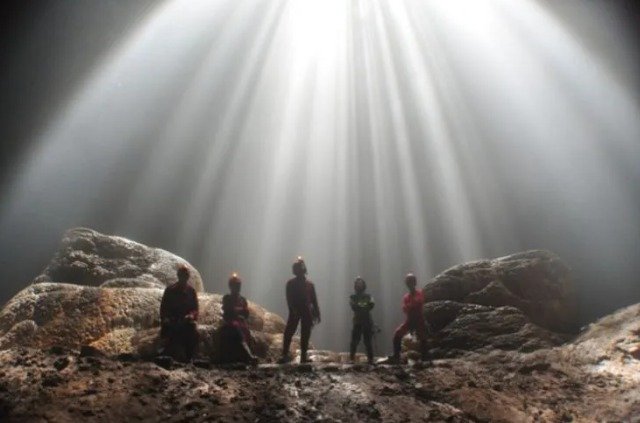
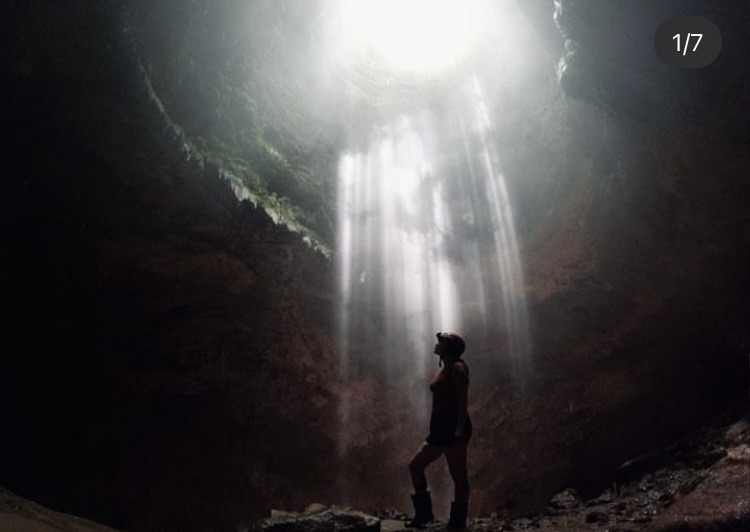
Before we delve further into the main points of this article, we offer Jomblang Cave Tours for individuals or groups with your family or friends. Visit Goa Jomblang for more information.
At first glance, the axis may appear to be a simple alignment of historical sites. However, behind its structure lies a philosophical narrative rooted in Javanese beliefs about life, origin, and destiny. It represents a journey that every human being symbolically undergoes.
Recognized globally, the axis was officially designated as a World Heritage Site by UNESCO on September 18, 2023. This acknowledgment highlights its universal value as both a cultural and philosophical masterpiece.
Read More: 10 Hotels Near Alun-alun Kidul Jogja, From Cheap to Luxurious
The Origin of the Yogyakarta Philosophical Axis
The Yogyakarta Philosophical Axis Line was conceptualized by Sultan Hamengkubuwono I in the 18th century. As the founder of the Yogyakarta Sultanate, he designed the city not only as a political center but also as a reflection of spiritual and cosmological principles.
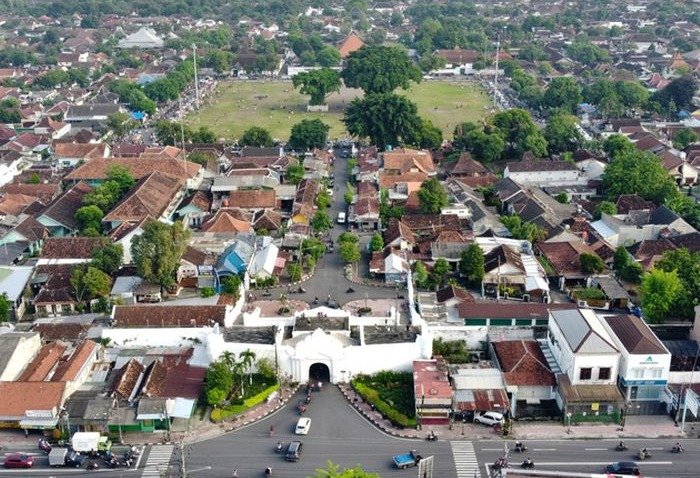
The axis forms a straight imaginary line stretching from south to north. It connects three major points: Panggung Krapyak in the south, Keraton Yogyakarta in the center, and Tugu Pal Putih in the north.
This layout is not coincidental. It was deliberately planned to embody the Javanese philosophy known as Sangkan Paraning Dumadi, which explains the origin and ultimate purpose of human life.
Understanding Sangkan Paraning Dumadi
The concept of Sangkan Paraning Dumadi is central to understanding the meaning behind the axis. It translates roughly to “the origin and destination of creation,” referring to the human journey from birth to returning to the Creator.
In Javanese philosophy, life is seen as a continuous process of spiritual development. Humans are believed to come from a divine source and eventually return to it. This journey is not merely physical but deeply spiritual, involving self-awareness, moral growth, and harmony with the universe.
The Philosophical Axis serves as a symbolic representation of this journey. Each point along the axis reflects a different stage of life, guiding individuals toward understanding their purpose and place in the world.
The Three Main Points and Their Symbolism
Panggung Krapyak: The Beginning of Life
Located in the southern part of the axis, Panggung Krapyak represents the origin or Sangkan. Historically, this structure was used as a royal hunting lodge, but philosophically, it symbolizes the beginning of human existence.
It is often associated with the womb, representing birth and the initial stage of life. This point reminds us that every human being starts their journey from a state of purity and potential.
Keraton Yogyakarta: The Center of Life
At the heart of the axis lies Keraton Yogyakarta, the royal palace that serves as the cultural and political center of the region. This location symbolizes the worldly phase of human life.
Here, individuals navigate their existence, facing challenges, responsibilities, and temptations. The palace represents balance—between power and humility, material life and spiritual awareness.
It is also a reminder that life in the world is temporary and should be lived with purpose and integrity.
Tugu Pal Putih: The Ultimate Destination
At the northern end stands Tugu Pal Putih, also known as Tugu Golong Gilig. This monument represents Paran, the final destination of human life.
Symbolically, it signifies the return to the Creator, where the soul reunites with the divine. The structure itself embodies unity and completeness, reflecting spiritual perfection.
Reaching this point in the philosophical journey means achieving harmony and enlightenment.
The Journey from South to North
The direction from south to north along the axis is deeply meaningful. It represents the progression of human life from birth to spiritual fulfillment.
The journey begins at Panggung Krapyak, symbolizing infancy and the origin of life. As one moves toward the Keraton, it reflects the process of growing up, gaining knowledge, and facing worldly challenges.
Continuing north toward Tugu Pal Putih symbolizes the pursuit of spiritual enlightenment and the eventual return to God. This path encourages individuals to reflect on their actions and strive for a meaningful life.
Malioboro Street as a Symbol of Life’s Challenges
One of the most iconic areas along the axis is Malioboro Street. This bustling street represents the dynamic and often challenging nature of human life.
Philosophically, Malioboro symbolizes the temptations and distractions that individuals encounter. It is a place where people must navigate choices, resist negative influences, and stay true to their values.
The journey through this area reflects the struggle to maintain balance between material desires and spiritual goals.
The Role of Nature in the Philosophical Axis
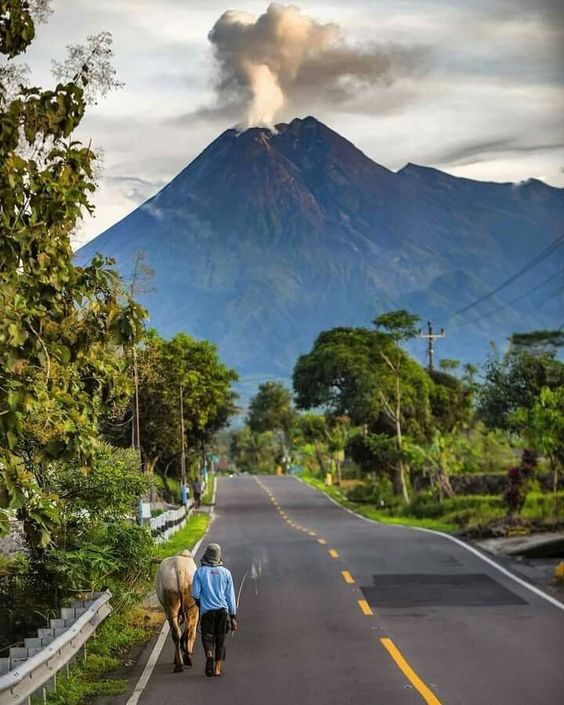
The Yogyakarta Philosophical Axis is not only about human life but also about harmony with nature. The axis aligns with significant natural elements, including Mount Merapi in the north and the Southern Ocean in the south.
These elements represent the balance of natural forces and the interconnectedness of the universe. In Javanese belief, maintaining harmony between humans and nature is essential for a balanced life.
The axis also reflects the concept of the five elements: fire, earth, water, air, and ether. Together, they form a holistic system that supports life and spiritual growth.
Symbolic Trees Along the Axis
Another unique feature of the axis is the presence of specific trees planted along its path. Tamarind (asem) trees symbolize attraction and human desires, while gayam trees represent calmness and protection.
These trees serve as reminders of the dual nature of life—between temptation and tranquility. They encourage individuals to find balance and remain grounded despite external influences.
UNESCO Recognition and Global Significance
The recognition of the Yogyakarta Philosophical Axis by UNESCO marks an important milestone. It highlights the axis as a cultural landscape that embodies intangible values, not just physical structures.
This designation places Yogyakarta among the world’s most significant heritage sites. It also emphasizes the importance of preserving cultural wisdom and traditional knowledge for future generations.
The axis is now recognized as a universal symbol of philosophical urban planning, blending spirituality, culture, and architecture.
Cultural and Spiritual Relevance Today
Even in modern times, the Philosophical Axis continues to influence life in Yogyakarta. It shapes cultural practices, ceremonies, and the daily mindset of the people.
The axis serves as a constant reminder of the importance of self-reflection, moral values, and spiritual awareness. It encourages individuals to live in harmony with others and the environment.
For visitors, understanding the meaning behind the axis adds depth to their experience. It transforms a simple tour of landmarks into a journey of insight and reflection.
Why the Philosophical Axis Matters
The Yogyakarta Philosophical Axis is not just a historical artifact—it is a living philosophy. It offers valuable lessons about life, purpose, and balance that remain relevant across cultures and generations.
In a world often driven by material pursuits, the axis reminds us to reconnect with our spiritual roots. It teaches that true fulfillment comes from understanding our origin, living responsibly, and striving toward a higher purpose.
Conclusion
The meaning behind the Yogyakarta Philosophical Axis Line lies in its ability to merge physical space with spiritual insight. From Panggung Krapyak to Tugu Pal Putih, every element tells a story about human existence.
Through the concept of Sangkan Paraning Dumadi, the axis becomes a guide for life—a reminder of where we come from and where we are ultimately headed.
As recognized by UNESCO, this philosophical axis is not only a treasure of Indonesia but also a meaningful contribution to the world’s cultural heritage.
For travelers looking for an unforgettable underground adventure, the Jomblang Cave tour by GoaJomblang.com provides professionally guided excursions to one of Indonesia’s most captivating natural attractions. Their experienced team manages a safe and well-organized descent into the cave, allowing you to fully appreciate the stunning beauty of the “Light of Heaven.”
Read More: The Best Places for Yogyakarta’s Famous Charcoal Coffee