
Descending 60 metres into Jomblang Cave is one of the most memorable mornings you can spend in Java, but the fixed timing of the descent dictates how you plan the rest of your day. Because the famous beam of sunlight hits the Luweng Grubug chamber only between 10:00 and 12:00, cars leave Yogyakarta around 08:00 for the two-hour drive to Gunungkidul. By the time you are hauled back up the cliff, washed off the mud, and finished with your included lunch box, it is early afternoon.
How the Morning Actually Runs
The cave is a collapsed sinkhole in the Gunungkidul karst, a landscape of dry limestone hills where rain drains underground instead of across the surface. At the rim, staff fit you with a helmet, headlamp, boots, and a harness, then a hand-operated winch lowers you one or two at a time down the 60-metre shaft. At the bottom you walk a jungle passage through an underground forest of old trees, ferns, and moss, until you reach the chamber where a second opening in the roof lets daylight drop 30 metres or more onto the cave floor. Guides hold the schedule tightly because the light beam has a window, not a switch; on overcast days it dims, which is one more reason the site books out.
Entry is Rp 500,000 per person and covers the equipment, the guide team, and lunch. The site caps visitors at roughly 200 per day and runs essentially one descent schedule, so in July, August, and around Indonesian public holidays the quota is gone days in advance. Anyone arriving without a booking is gambling their morning. A private operator handles the permit, the equipment, and the transfer; the things to do in Yogyakarta overview lists the current quota and timing rules if you are comparing dates.
What Pairs Well with Jomblang on the Same Day
Since you are already in the Gunungkidul karst hills, do not waste the afternoon driving all the way across town to Borobudur. Keep your afternoon stops in the southeast. The easiest addition is Pindul Cave, just a short drive away, where you float on inner tubes down a calm underground river for an hour or two; it is the family-friendly counterpart to Jomblang and needs no rope work at all. If you still want coastal scenery, continue south to Timang Beach to see the wooden lobster-fishing gondola strung across the surf, a crossing first used by local fishermen reaching their traps on the offshore reef. Returning to the city from Gunungkidul puts you near Prambanan around late afternoon, or back at your hotel in time for an evening meal of sate klathak.
Splitting a Three-Day Itinerary Cleanly
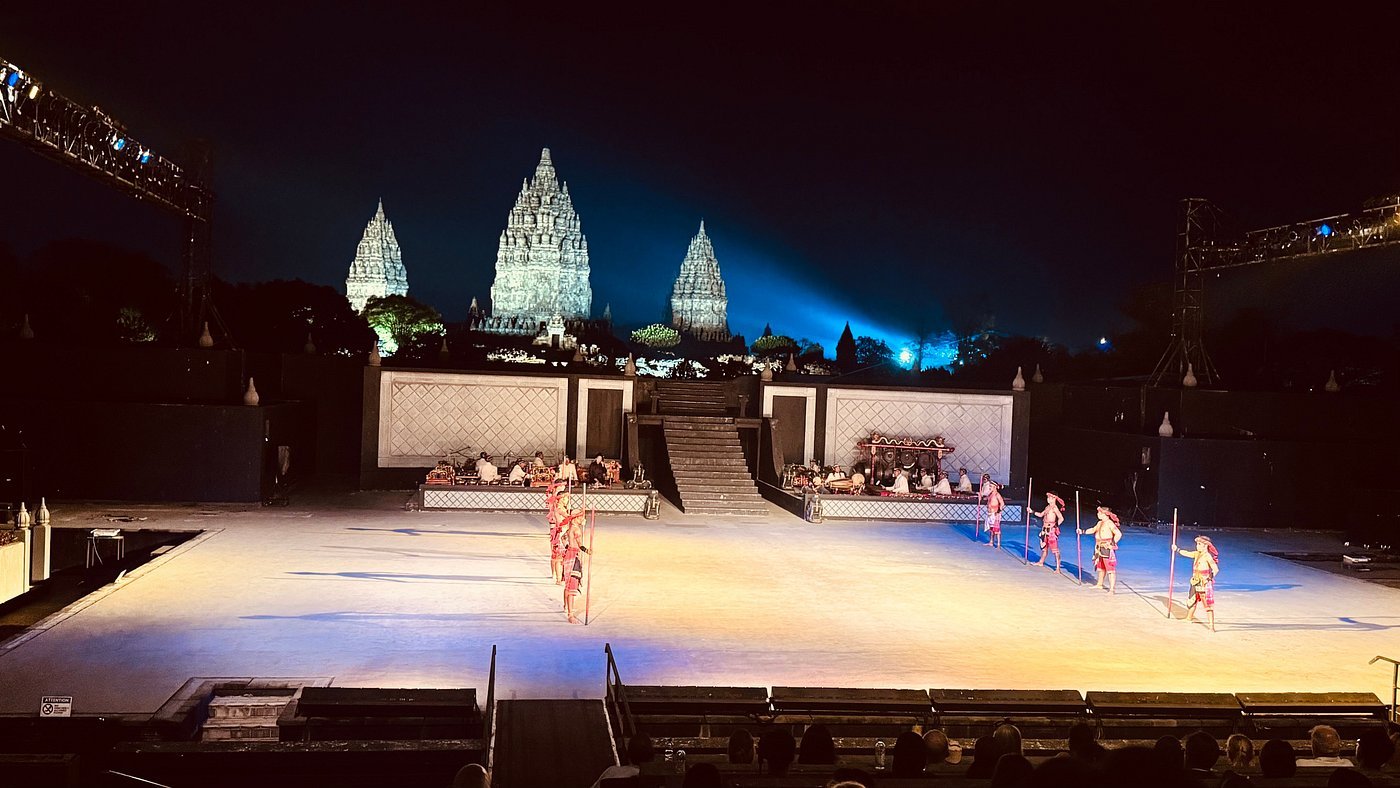
- Day 1 (Temples): Leave at 03:30 for Borobudur at sunrise (40 km northwest). The ninth-century Buddhist monument carries 2,672 relief panels and 72 perforated stupas and was UNESCO-listed in 1991; note that climbing onto the upper terraces needs a separate limited slot. Rest at your hotel during the midday heat, then drive 17 km east to Prambanan around 16:00 for the late afternoon light and the evening Ramayana Ballet if it is Tuesday, Thursday, or Saturday.
- Day 2 (City and Craft): Walk the Kraton (open 08:30 to 14:30, closed Monday) and Taman Sari Water Castle before 11:00, join a two-hour batik workshop near Malioboro or visit the silver workshops in Kotagede, and spend the evening eating street food along Malioboro.
- Day 3 (Gunungkidul Caves): Head out at 08:00 for Jomblang Cave (Rp 500,000 entry, limited to about 200 visitors per day), then add Pindul tubing or Timang Beach before returning to Yogyakarta.
Who Should Skip Jomblang
Honesty helps here. The descent requires sitting in a harness while a winch lowers you down a wet rock shaft, then walking in mud for an hour. Children under a certain age, travellers with knee problems, and anyone genuinely uncomfortable with heights will enjoy Pindul far more, and the rest of the group loses nothing by splitting up for the morning. If you travel during the rainy months between November and March, keep flexibility between Day 2 and Day 3 so you can pick the clearest morning for the light beam, since heavy rain can suspend the descent. Managed that way, Jomblang becomes the story everyone tells at dinner, not the trip everyone remembers sore.
Bawaan Tas yang Benar-Benar Dipakai
Pengalaman banyak peserta menunjukkan daftar bawaan yang efektif untuk sesi Jomblang. Pakaian yang boleh kotor dan cepat kering, karena lorong dasar goa berlumpur pekat hingga lutut; sandal atau sandal gunung untuk berganti dari sepatu bot yang disediakan; kaus kaki cadangan dan handuk kecil; serta tas kering untuk telepon, karena percikan lumpur tak terhindarkan. Pakaian dalam cadangan hampir selalu jadi keputusan yang tepat. Kamera dengan lensa cepat dan pengaturan ISO tinggi bekerja lebih baik daripada tripod, karena pencahayaan berkas cahaya bergerak cepat dan tangga dalam lorong sempit.
Yang tidak perlu dibawa: payung besar, sepatu boots sendiri (sudah disediakan bersama helm dan headlamp), dan bekal makan berat, karena tiket Rp 500.000 sudah mencakup makan siang kotak. Minum pribadi dalam botol kecil cukup, karena aktivitas tidak menuntut tenaga seperti pendakian biasa, tetapi cuaca lembap dan lorong sempit membuat minum sedikit tetap perlu. Kembali ke kota dari Gunungkidul sekitar dua jam, dan sebagian peserta memanfaatkan perjalanan itu untuk tidur, yang pas juga sebelum agenda malam. Rincian slot dan kuota tetap halaman paling berguna sebelum memesan, lihat halaman panduan wisata Yogyakarta.


